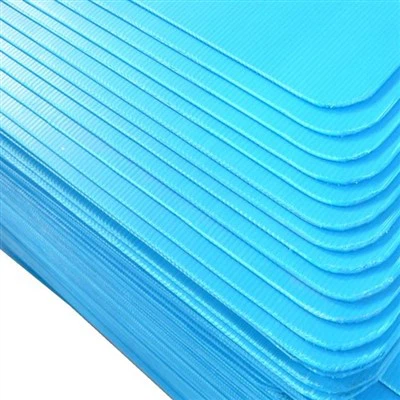
How To Use Corrugated Protection Board To Protect The Floor During Construction
Apr 24, 2024
Using corrugated protection board to safeguard floors during construction is a practical and effective solution. Corrugated protection board, typically made from recycled materials(PP), offers a lightweight yet durable barrier that shields floors from damage, debris, and spills. Here's a step-by-step guide on how to effectively use corrugated protection board to protect floors during construction:

Prepare the Work Area: Before laying down the protection board, ensure that the floor surface is clean, dry, and free of any debris or protrusions that could puncture or damage the board. Sweep or vacuum the area thoroughly to remove any dust, dirt, or loose particles.
Measure and Cut: Measure the dimensions of the floor area that requires protection and cut the corrugated board to fit accordingly. Use a utility knife or scissors to make precise cuts, ensuring that the protection board covers the entire surface area without leaving any gaps or overlaps.
Lay Down the Protection Board: Begin by placing the first sheet of corrugated protection board at one corner of the floor area. Unroll or unfold the board smoothly, gradually covering the entire surface while aligning the edges flush with the walls or existing flooring. If necessary, use duct tape or adhesive to secure the edges and prevent shifting or movement.
Overlap Joints: When laying multiple sheets of protection board, overlap the joints by a few inches to create a seamless barrier that prevents liquids, dust, or debris from seeping through. Press down firmly on the overlapped areas to ensure a tight seal and uniform coverage across the entire floor surface.
Secure Edges and Corners: Pay special attention to the edges and corners of the protection board, as these areas are prone to lifting or curling up over time. Use additional tape or adhesive to secure the edges firmly against the floor and prevent tripping hazards or unintended movement.
Customize for Specific Needs: Depending on the nature of the construction project and the level of floor protection required, you may need to customize the corrugated board accordingly. For high-traffic areas or heavy machinery zones, consider doubling up the layers or adding extra reinforcement to enhance durability and longevity.
Monitor and Maintain: Throughout the construction process, periodically inspect the condition of the protection board to ensure it remains intact and effective. Replace any damaged or worn-out sections promptly to maintain optimal floor protection and prevent potential hazards or accidents.
Remove and Dispose: Once the construction project is complete and the floor protection is no longer needed, carefully remove the corrugated board from the surface. Dispose of the used protection board responsibly, following proper recycling or waste disposal guidelines to minimize environmental impact.
By following these steps and utilizing corrugated protection board effectively, you can safeguard floors during construction, minimize damage, and maintain a clean, safe, and functional work environment.