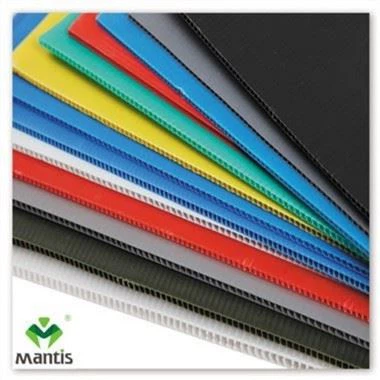
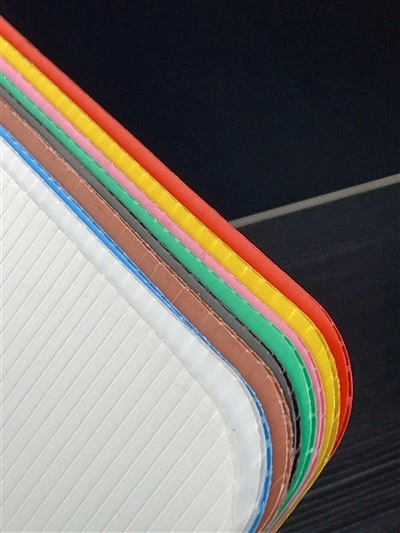
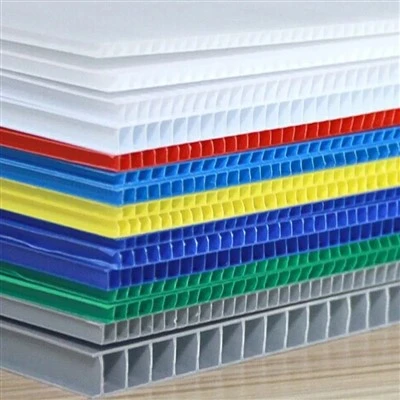
Q: What is corrugated plastic sheet?
A: Corrugated plastic sheet is a versatile and durable material that is used in a wide variety of industries. Made from polypropylene plastic, it features a ridged, fluted design that gives it strength while remaining lightweight.
Q: What are other names for corrugated plastic sheet?
A: Corrugated plastic sheet is a versatile material that is commonly used in many different applications. It is known for its excellent durability, lightweight, and cost-effectiveness. There are several other names for corrugated plastic sheet, including:
1. Coroplast: This is a brand name for corrugated plastic sheet, and it is often used interchangeably with the term "corrugated plastic".
2. Correx: Another popular brand name for corrugated plastic sheet is Correx. It is commonly used in the UK and Europe.
3. Twinwall Plastic: This term refers to corrugated plastic sheet that has two layers and a hollow core.
4. Fluted Plastic: This name comes from the fluted design of the material, which helps to add strength and stability.
5. Polypropylene Sheet: Corrugated plastic sheet is made from polypropylene, so this term can also be used to refer to the material.
Q: What is corrugated plastic sheets used for?
A: 1. Packaging Material: Instead of the traditional packing material such as corrugated paper, wood board, etc.
2. Advertising Board: Through corona treatment, PP hollow sheet can be used as advertising board, show board, brand mark, light box board, etc.
3. Turnover box: For avoiding the damages from electrostatic, the conductive PP hollow sheet can be used as the container of electric parts, food, drink, etc. And it can be circle-used.
4. Construction Protection Board: Partition, protection board of flooring, wall, ceiling board, etc.
5. Industry Uses: Protection board, padding board, luggage carrier, separating board, baseboard, cross board for all things.
6. Other: Tree guard, flower dispaly stand, waterjet cutting bricks.
Q: What kind of material is the corrugated plastic sheet made of?
A: Corrugated plastic sheet is a lightweight and durable material commonly used in a variety of applications. The sheet is made from high-quality polypropylene, which is a thermoplastic polymer that is known for its strength, durability, and resistance to moisture and chemicals.
The manufacturing process of corrugated plastic sheet involves extruding the polypropylene material through a series of dies, which create the characteristic corrugated pattern or "fluting" that gives the sheet its strength and flexibility. The flutes are typically oriented perpendicular to the direction of the sheet, creating a strong and rigid structure that can withstand heavy loads and rapid changes in temperature.
Q: Why Choose Custom Pp Corrugated Sheet?
A: Here are some of the reasons why you should choose custom PP corrugated sheets:
1. Versatile: Custom PP corrugated sheets can be customized to fit any size or shape required for the project. They are commonly used for packaging, printing, and advertising purposes. Moreover, their versatility makes them perfect for use in different environments, including outdoor and indoor settings.
2. Lightweight: PP corrugated sheets are lightweight, making them easy to handle and transport, which is essential for companies that regularly move their products. They do not add any significant weight to the finished product, making them perfect for use in packaging.
3. Durable: PP corrugated sheets can withstand high levels of stress and pressure without breaking or cracking. They are resistant to chemicals, water, and UV rays, making them ideal for use in harsh weather conditions and harsh environments.
4. Eco-Friendly: PP corrugated sheets are 100% recyclable and environmentally friendly. They can be repurposed and reused, reducing waste and reducing environmental damage.
5. Cost-effective: Custom PP corrugated sheets are relatively affordable compared to other materials such as cardboard, wood, and metal. They are readily available in the market, making them a great option for businesses looking to reduce their expenses.
Q: Is corrugated plastic the same as polycarbonate?
A: Corrugated plastic and polycarbonate are two different materials. While they share some similarities, they are not the same thing.
Corrugated plastic is a lightweight and durable plastic material that is often used for signs, packaging, and print materials. It is made of polypropylene, which is a type of plastic known for its toughness and flexibility. Corrugated plastic sheets are fluted, which means they have a series of parallel ridges and grooves that provide additional strength and support.
On the other hand, polycarbonate is a transparent thermoplastic that is highly impact-resistant and can withstand high temperatures. It is commonly used for safety goggles, bulletproof glass, and electronic components. Polycarbonate is known for its clarity, which makes it an ideal material for applications that require optical clarity.
Q: Is the corrugated plastic sheet toxic?
A: Corrugated plastic sheets are non-toxic and safe to use. They are made from polypropylene, a type of plastic that is widely known for its safety and non-toxic nature. Polypropylene is commonly used in food packaging, medical devices, and children's toys because it is not known to have harmful effects on human health.
Moreover, corrugated plastic sheets do not release toxic chemicals or substances, even when exposed to high temperatures or sunlight. They are also resistant to moisture, mold, and mildew, making them a hygienic and safe material for various applications.
Q: Is corrugated plastic sheet waterproof?
A: Yes, corrugated plastic sheets are waterproof. Corrugated plastic sheets are made from a type of plastic called polypropylene which is highly resistant to water. The corrugated design of the plastic sheet also helps to prevent water from seeping through the material. This makes them a great choice for outdoor applications where exposure to water and moisture is inevitable. Corrugated plastic sheets are commonly used for packaging, signage, and construction purposes due to their durability and waterproof properties. Whether it's rain, snow, or any other form of moisture, corrugated plastic sheets will keep your belongings and materials dry and protected.
Q: Is the corrugated plastic sheet cold-resistant?
A: Yes, corrugated plastic sheet is cold-resistant. In fact, it is one of the most durable materials available for outdoor and cold weather applications. The material is known for its toughness, flexibility, and resistance to extreme temperatures.
Q: How to check the quality of corrugated plastic sheets?
A: Here are some tips to help you check the quality of corrugated plastic sheets:
1. Check the thickness: The thickness of the corrugated plastic sheets can indicate its quality. Thicker sheets are usually stronger and more durable, so it is recommended to choose corrugated plastic sheets with a gauge of at least 2mm or more.
2. Look for visible defects: Inspect the sheets for any visible defects such as cracks, dents, or holes. The surface of the sheet should be smooth and even, without any bumps or warping.
3. Check for transparency: If you require transparent sheets, make sure they are completely transparent and not opaque or hazy. This can be best checked by holding the sheet against a light source.
4. Consider the color: Corrugated plastic sheets come in a variety of colors. However, if you need a specific color, check to ensure that the color is even on the entire surface of the sheet.
5. Test the flexibility: Flexibility is an important factor in corrugated plastic sheets. To test the flexibility, simply bend the sheet slightly and check for any cracks or breaks. By following these tips, you can ensure that you are purchasing high-quality corrugated plastic sheets that will meet your requirements and provide excellent performance.
Q: How long does coroplast last?
A: The service life varies depending on various factors such as use, environmental conditions and maintenance. In general, Coroplast Sheets is known for its durability and can last for years with proper care. When used indoors or in a protected environment, they can have a longer life because they are not exposed to harsh weather conditions. In this case they can remain in good condition for 5 to 10 years or even longer. When used outdoors, the lifespan may be affected by factors such as UV exposure, temperature fluctuations and physical stress. Although designed to withstand outdoor conditions, prolonged exposure to strong sunlight and extreme weather conditions can fade, deteriorate or become brittle over time. With proper installation and maintenance, it will typically last 2 to 5 years or more in outdoor applications.